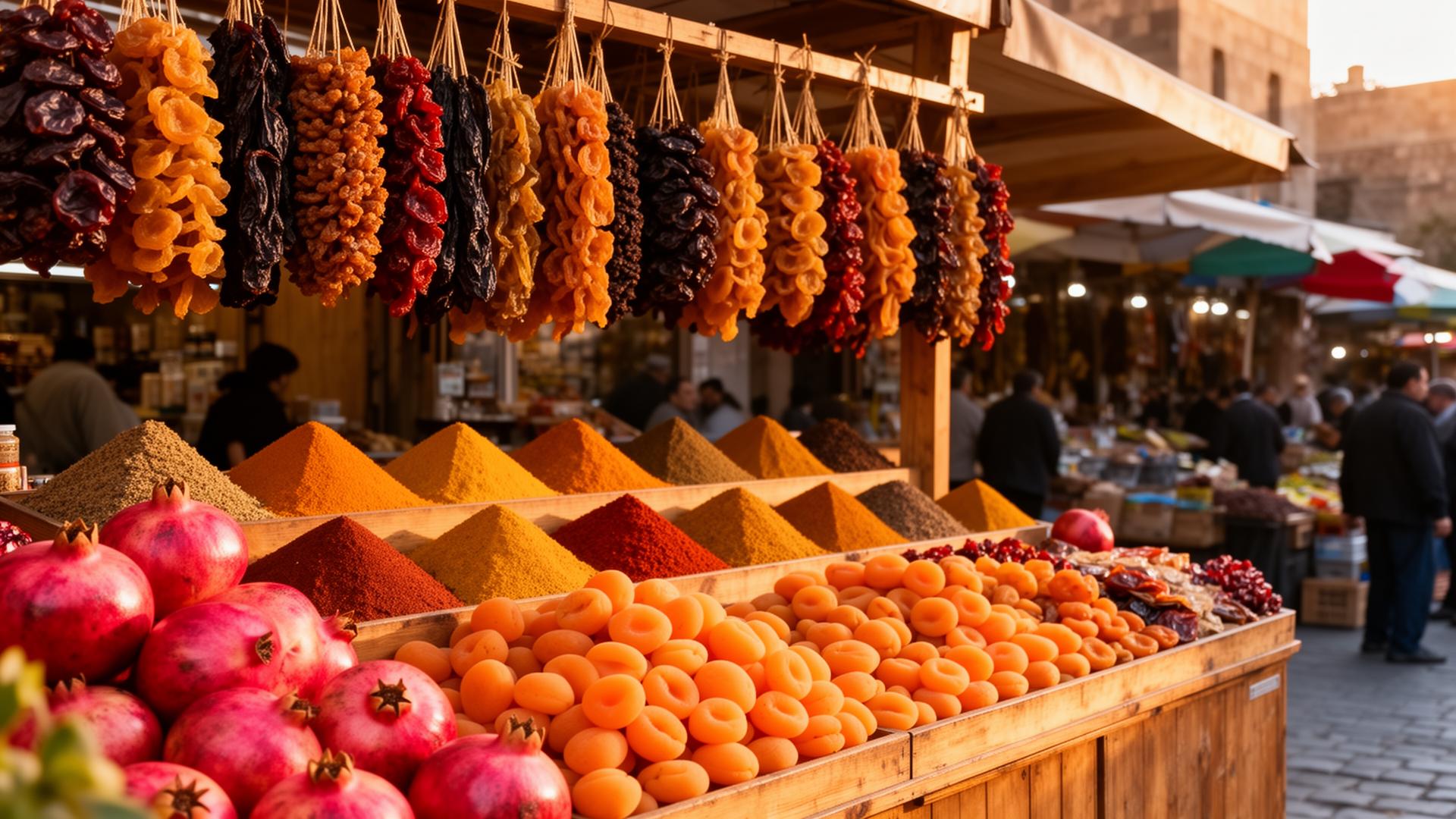
Yerevan is one of those cities where you arrive planning to buy nothing and leave with a bag full of dried apricots, a hand-painted coffee cup, and a bottle of something amber. Armenia has a deep tradition of artisan craftsmanship, and many of the products sold in the capital are genuinely handmade, locally sourced, and impossible to find anywhere else. The trick is knowing where to look and what is worth the luggage space.
This guide covers the best things to buy in Armenia, the markets and shops where quality is reliable, and practical tips for getting your purchases home. If you are driving through Armenia with a rental car from Tbilisi, you have the advantage of boot space, so bulkier items like carpets and bottles of wine become much easier to transport.
The Best Things to Buy in Armenia
Dried Fruits and Candied Sweets
Armenia's climate produces extraordinary stone fruits, and the tradition of drying and candying them goes back centuries. Dried apricots are the national symbol, but you will also find candied walnuts, figs, cherries, and peaches. Look for sujukh, the Armenian version of Georgia's churchkhela: strings of walnuts dipped in thickened grape or pomegranate juice and hung to dry. The best versions are slightly chewy and intensely flavoured. Prices at markets are low, typically 1,000 to 3,000 AMD per bag.
Armenian Brandy and Wine
Armenian brandy (konyak) has been famous since the 19th century, when the Ararat distillery began production using local grapes from the Ararat Valley. The aged varieties (10-year, 20-year) make excellent gifts. Armenian wine is less well-known internationally but has been gaining recognition, particularly reds from the Areni grape variety grown in the Vayots Dzor region. If you visited the Areni area on the drive to Tatev, you may have already tasted some at roadside wineries. Bottles start from around 3,000 AMD for decent local wine.
Ceramics and Pottery
Hand-painted Armenian ceramics are among the most distinctive souvenirs you can find. The classic style features pomegranates, grapes, and floral motifs in deep blues, reds, and greens on white or cream backgrounds. Coffee cups, small plates, and decorative tiles are the most portable options. Several workshops in Gyumri produce ceramics as part of social enterprises established after the 1988 earthquake, making these purchases both beautiful and meaningful.
Carpets and Kilims
Armenian carpet weaving is one of the oldest textile traditions in the world. Hand-knotted rugs with geometric Caucasian patterns, flat-weave kilims, and soumak carpets are all available in Yerevan. Prices range from a few thousand dram for a small kilim to several hundred dollars for a large antique piece. If you are driving, a carpet rolls up neatly in the boot. Several specialist carpet shops in Yerevan employ knowledgeable staff who can explain the difference between regional weaving styles.
Pomegranate-Themed Crafts
The pomegranate is Armenia's unofficial national symbol, and it appears on everything: jewellery, ornaments, paintings, textiles, and kitchenware. Quality varies enormously. The best pomegranate-themed items are handmade from wood, silver, or ceramic. Mass-produced plastic versions are best avoided. Pomegranate wine and pomegranate molasses also make good edible gifts.
Silver Jewellery
Armenian silversmiths have a long tradition, and Yerevan has several shops selling handmade silver jewellery inspired by khachkar (cross-stone) patterns, ancient Armenian script, and pomegranate motifs. Prices are reasonable compared to Western Europe, and the craftsmanship is generally high. Look for pieces that come with a certificate of authenticity.
Organic Cosmetics and Herbal Products
Armenia's highland meadows produce an extraordinary variety of wild herbs and medicinal plants. Several Armenian brands have built businesses around organic skincare using locally harvested ingredients like rosehip, sea buckthorn, lavender, and wild thyme. These products are lightweight, easy to pack, and make thoughtful gifts.
Coffee and Tea
Armenian coffee culture is strong, and you can find locally roasted beans as well as traditional copper coffee pots (jazzve) for making Armenian-style coffee at home. Wild mint tea and herbal blends from highland regions like Vayots Dzor are also popular. Tea from mountain-harvested herbs has a flavour profile quite different from anything available in supermarkets back home.
Where to Shop in Yerevan
The Vernissage Market
Yerevan's main outdoor craft market occupies a large area along Buzand Street near Republic Square. It operates daily but is liveliest on weekends. The market has distinct zones: the main floor sells handicrafts and food products, the southern edge is dedicated to carpet vendors, the back section has antiques and second-hand goods, and painters set up along the northern side. Quality is mixed, so inspect items carefully. Handmade items from individual artisans are scattered among mass-produced goods. Bargaining is acceptable and expected at the Vernissage.
GUM Market
The covered GUM Market on Mesrop Mashtots Avenue is Yerevan's main food market. Stalls sell dried fruits, spices, sujukh, honey, cheese, and cured meats. The atmosphere is lively and vendors are generous with free samples. This is the best place to buy edible souvenirs at local prices. The market operates daily from early morning.
Abovyan Street Shops
The stretch of Abovyan Street between Republic Square and Freedom Square has the highest concentration of souvenir shops in Yerevan. Several multi-room shops stock everything from ceramics to leather goods to miniature khachkars. Not everything is handmade or locally produced, so ask staff about provenance if it matters to you.
Fair Trade and Social Enterprise Shops
Yerevan has a growing number of shops operated by social enterprises and foundations that support Armenian artisans. Products sold at these shops are guaranteed to be handmade in Armenia, with fair wages paid to makers. Items include crochet toys, hand-sewn bags from traditional fabrics, ceramic ornaments, and knitwear. These shops tend to be located slightly outside the tourist centre but are worth seeking out.
Specialist Carpet Dealers
For serious carpet purchases, Yerevan has several established dealers with deep expertise. Some operate showrooms inside hotels, others have standalone shops. Staff can explain the difference between Armenian, Turkish, Persian, and Afghan weaving traditions and help you find a piece that fits your budget and taste. Shipping services are available for larger purchases.
Practical Tips for Shopping in Armenia
- Currency: Armenia uses the dram (AMD). Most shops accept cards, but markets and smaller vendors prefer cash. ATMs are widely available in central Yerevan.
- Bargaining: Expected at markets (Vernissage, GUM). Fixed prices at established shops. A polite "is this your best price?" is appropriate at market stalls.
- Alcohol limits: If flying home, check your airline's duty-free allowance for bottles. If driving back to Georgia, there are no practical limits on what you can carry in the car, though Georgian customs may check large quantities.
- Carpet export: Antique carpets (over 50 years old) may require an export permit from Armenia's Ministry of Culture. Reputable dealers handle this paperwork. Modern carpets have no restrictions.
- Packing fragile items: Ceramics and bottles need careful wrapping. Most shops will bubble-wrap purchases for you. If driving with a rental car, use clothing and towels as extra padding in the boot.
- Best time to shop: Weekend mornings for the Vernissage. Weekday mornings for the GUM Market (less crowded, fresher produce). Shops on Abovyan Street are open late into the evening.
Shopping Outside Yerevan
If you are driving through Armenia, several towns have their own craft specialities worth stopping for:
- Gyumri: Ceramics workshops, tuff-stone carvings, and a growing craft beer scene. The city's artisan quarter around Kumayri has workshops you can visit.
- Areni: Wine cellars along the highway between Yerevan and Tatev. Many offer tastings and sell bottles at cellar-door prices far below Yerevan retail.
- Dilijan: Small craft shops and a ceramics studio in the old town. Dilijan also has a weekend market in summer months.
- Lake Sevan area: Obsidian jewellery and carvings made from volcanic stone found near the lake. Roadside stalls sell pieces at very low prices.
Getting Your Shopping Home
One of the biggest advantages of exploring Armenia by car is the space for purchases. A bottle of brandy, a rolled-up kilim, and a bag of dried apricots fit easily in a rental car's boot. If you picked up your car in Tbilisi with a cross-border rental, you can shop in Armenia and carry everything back to Georgia without worrying about luggage limits.
For larger items like full-size carpets, most established dealers in Yerevan offer international shipping. Expect to pay 50 to 150 USD for shipping a carpet to Europe or North America, depending on size and weight.
Frequently Asked Questions
What is the best souvenir to buy in Armenia?
Dried apricots and candied fruits are the most universally appreciated and easiest to transport. For something more lasting, hand-painted ceramics or a small kilim rug are excellent choices.
Is bargaining expected in Yerevan?
At markets (the Vernissage and GUM Market), yes. At established shops with fixed prices, no. A polite enquiry about price flexibility is always appropriate at market stalls.
Can I bring Armenian brandy back to Georgia by car?
Yes. There are no practical restrictions on personal quantities when driving across the border. Georgian customs may inspect large commercial quantities but personal purchases are not an issue.
Do I need an export permit for carpets?
Only for genuine antiques over 50 years old. Modern handmade carpets, kilims, and soumaks can be exported freely. Reputable carpet dealers will handle any necessary paperwork for antique pieces.
Where is the best place to buy Armenian wine?
For variety and advice, wine shops in central Yerevan near Abovyan Street are excellent. For the best prices and experience, buy directly from wineries in the Areni region if you are driving south toward Tatev.
Is it cheaper to shop at markets or in shops?
Markets are generally cheaper for food items, dried fruits, and basic souvenirs. Established shops charge more but guarantee quality and provenance. For handmade crafts, social enterprise shops offer fair prices with the assurance that artisans are properly compensated.